

As discussions about potential federal budget cuts continue, concerns are rising over how these changes might affect various sectors receiving federal funding.
WINK News reached out to local school districts to understand the potential impact. However, the districts remain uncertain about the specific effects, though they are monitoring the situation closely due to their reliance on federal funding.
The potential consequences extend beyond education. Programs like FEMA, disaster relief, VA services, and federal small business loans could also be affected.
Despite the uncertainty, federal workers are still required to work during shutdowns. In previous shutdowns, essential personnel like air traffic controllers, TSA agents, and customs and border patrol officers continued working without pay until the shutdown ended.
The last government shutdown, from December 22, 2018, to January 25, 2019, lasted 35 days and cost the country an estimated $3 billion in lost GDP, according to the Congressional Budget Office.
When WINK News spoke with locals about the potential shutdown, reactions varied.
One person said, "I don't really be paying attention for real."
Another expressed frustration, saying, "I think it's horrible and they should just learn to take politics out of it and do what's good for the people."
Joel, a veteran, shared his concerns, "We feel sorry for the people whose paychecks may be affected. I think what I really feel sorry about is the antagonistic and hostile nature of the inability of the Congress to function like they used to and get together and work things out."
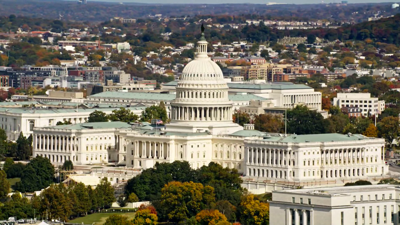
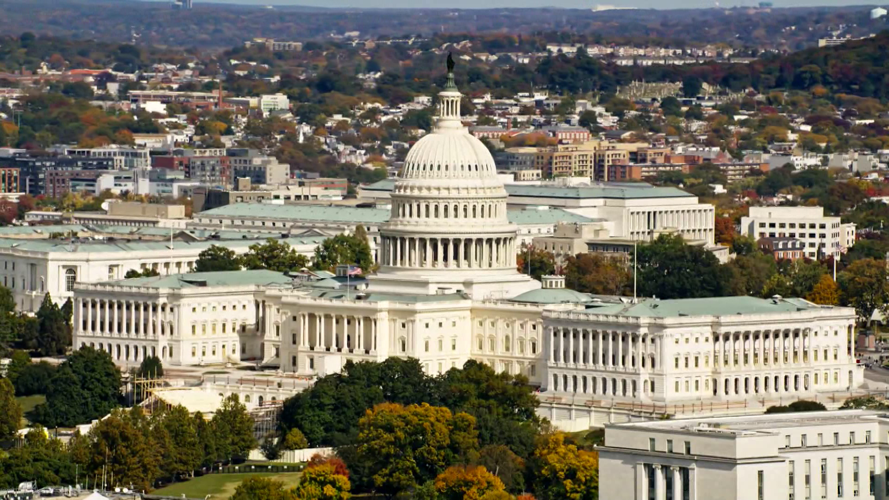
At 11 a.m. tomorrow, the Senate will reconvene at the U.S. Capitol to hold three votes. These include two procedural votes on advancing stop-gap bills that didn't pass today and one vote on a nominee. Further votes are expected later in the day.